
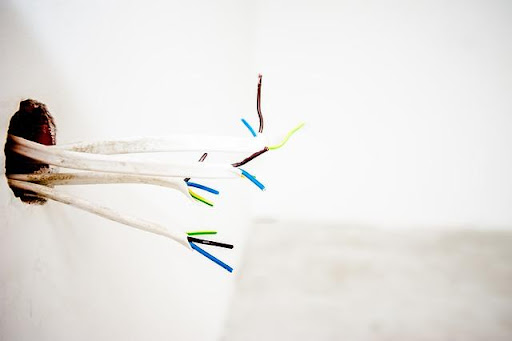
Electricity is a necessity and a primary energy source for homeowners. However, electrical hazards, including fires, can be fatal, with home electrical fires accounting for about 51,000 fires yearly, over 1400 injuries, almost over 500 deaths, and 1.3 billion dollars in property damage. Proper electrical equipment use and other sound practices can help keep your property and loved ones safe. This article outlines a few electrical safety tips for your home.
Table of Contents
Electrical outlets are meant to carry a specific power load. The total load increases if multiple home appliances and devices draw power from one outlet. Electrical outlets overload when more than the power they can handle is drawn from them. An overload can also occur when multiple high-ampere devices are plugged into the same outlet. Faults in the circuit may also result in an outlet overload. Electrical circuit overloads cause the circuit breaker to trip, disrupting electric flow to the entire circuit.
The circuit's wiring overheats without a circuit breaker, leading to the wire insulation melting and increasing the fire risk. To prevent an electrical outlet overload, limit extension cord usage, don't plug many high-ampere devices or appliances in the same outlet, know the exact amperage of the circuit breakers and fuses in your house, and upgrade your electrical system to add other outlets.
Electrical inspections are comprehensive checkups of your property's electrical components. They help ascertain whether your home's electrical system is running correctly. A certified electrician also inspects DIY electrical components to ensure no costly errors are made. An electrical inspection for your home ensures that your property isn't violating federal and local electrical codes. It's an excellent way to maintain electrical safety by reducing the risk of hazards like electrical fires.
Ungrounded or damaged power cords pose a significant threat to electrical appliance users, including fire risk and electric shock. These cords can get damaged or frayed from age, excess current flow via the wiring, or heavy use. Cord damage may occur when the cable is pinched, punctured, or caught between heavy objects. This may result in a short circuit that may cause a fire. When an electrical cord is damaged, the affected appliance should be taken off service immediately and the cable repaired or replaced to lower the risk of electrocution, fire, or shock.
A combination of water and electricity can be deadly. Keep electrical equipment and appliances from water and dry to safeguard against electrocution, injuries, and appliance damage. All electrical outlets in wet or damp home areas, including kitchens, bathtubs, basements, and laundry rooms, should have Ground Fault Circuit Interpreters (GFCIs). Avoid using electrical appliances close to a swimming pool, sink, or bathtub. Consider using battery-operated devices near sinks and bathtubs instead of electric ones.
Besides saving energy, unplugging appliances when not in use is a safe way to protect against power surges. If you don't have a surge protection system for your home, unplugging your appliances safeguards them from surge damage and eliminates the risk of an electric fire.
Electricity can be hazardous when poorly handled. However, implementing these electrical safety tips can help protect your property and loved ones.