Creating an eco-friendly outdoor space is not just about adding a few plants or recycling more. It's about designing a sustainable, energy-efficient, and environmentally conscious area that complements nature. Whether you have a small balcony or a sprawling backyard, this guide will help you transform your outdoor space into an eco-friendly haven.
Table of Contents
Understanding the basics of eco-conscious design is pivotal in creating a sustainable outdoor space. This approach centres on using environmentally friendly materials, reducing waste, conserving energy, and ensuring harmony with the local ecosystem. Eco-conscious design isn't just about the materials used; it's about a holistic approach that considers the entire lifecycle of the space, from construction to daily use and eventual repurposing or recycling. By embracing this philosophy, you create an outdoor area that not only benefits the environment but also enhances the aesthetic and functional quality of your living space, making it a true extension of eco-friendly living.
Incorporating renewable energy sources into your outdoor space is a key step towards sustainability. How do biomass energy and biogas work? These are crucial in terms of renewable energy sources. Biomass energy, derived from organic materials like plant and animal waste, is converted into electricity, heat, or fuel. Similarly, biogas is produced through the anaerobic decomposition of organic waste, which can be used for heating or power generation. Utilizing these renewable energy sources in your garden or patio for lighting and heating not only reduces your carbon footprint but also promotes a cycle of sustainability, turning waste into valuable energy.
Choosing sustainable materials is a cornerstone of eco-conscious outdoor space design. Opt for materials that have minimal environmental impact, such as recycled plastics, reclaimed wood, or rapidly renewable resources like bamboo. These materials are not only environmentally responsible but also offer durability and aesthetic appeal. By selecting sustainable options, you're reducing the demand for virgin resources and supporting the recycling industry. This choice reflects a commitment to the planet, ensuring that your outdoor space is not just a personal sanctuary, but also a testament to sustainable living practices.
Water conservation is a critical aspect of eco-friendly outdoor space design. Implementing strategies like rainwater harvesting can significantly reduce your reliance on municipal water and lower your environmental footprint. Utilize collected rainwater for irrigating gardens and lawns. Additionally, incorporating drought-resistant plants and efficient irrigation systems, such as drip or soaker hoses, can drastically cut down water usage. These methods not only conserve a vital resource but also promote a healthier, more sustainable garden ecosystem. By adopting these water conservation strategies, you contribute to a more sustainable environment while maintaining a lush and vibrant outdoor space.
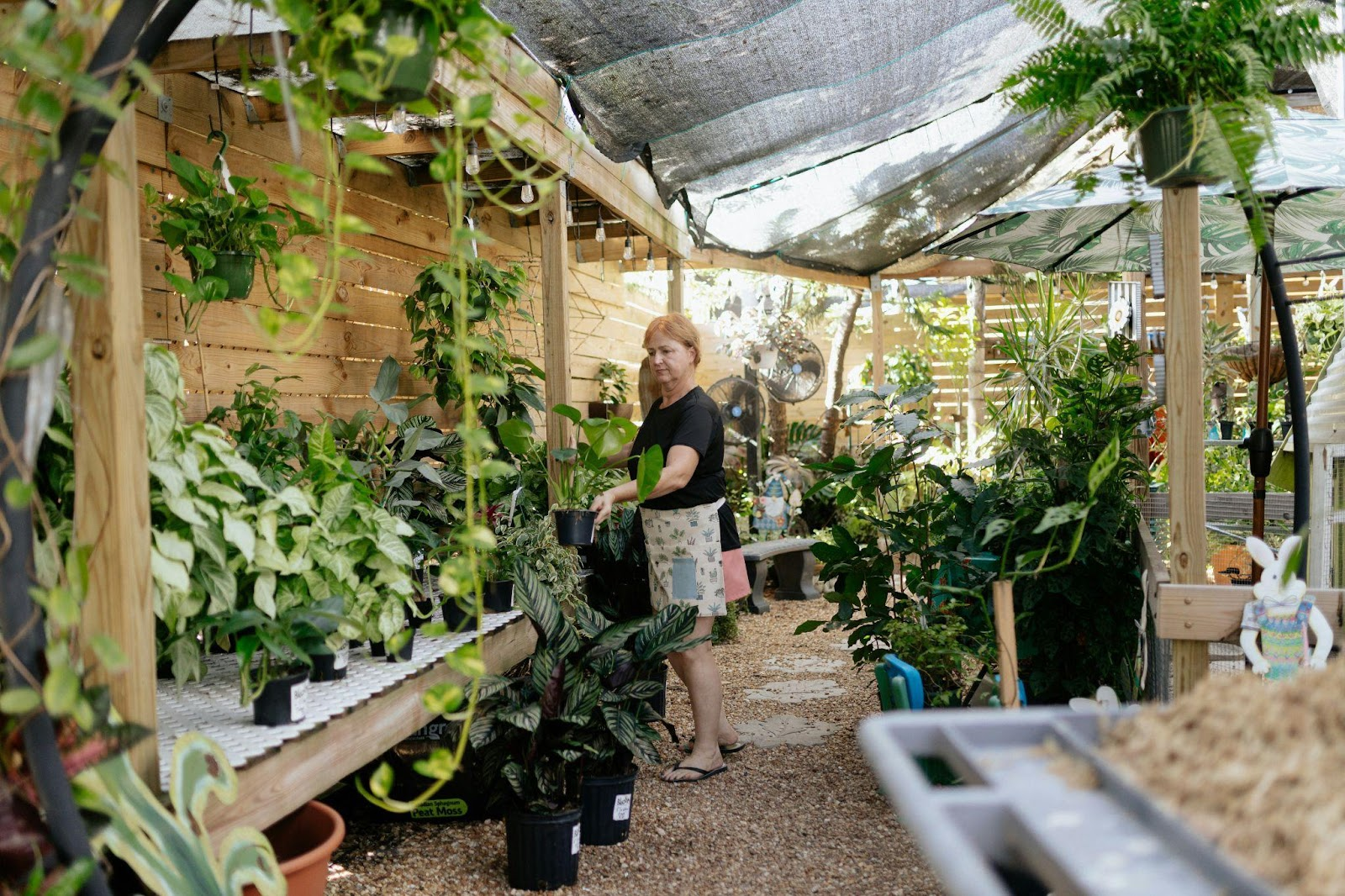
Creating a wildlife-friendly environment in your outdoor space is a delightful and eco-conscious endeavour. Planting native flora is a great start, as it provides natural habitat and food sources for local wildlife. Consider adding features like bird feeders, birdbaths, and insect hotels to attract and support diverse species. Leaving a section of your garden a little wild with native shrubs and grasses can create a sanctuary for small animals and insects. This approach not only enhances biodiversity but also brings a dynamic and engaging element to your garden, allowing you to observe and enjoy nature's harmony right in your backyard.
Adopting organic gardening practices is a key element in creating an eco-conscious outdoor space. This involves shunning chemical pesticides and fertilizers in favour of natural alternatives, which not only protect the environment but also ensure healthier soil and plants. Implementing composting is a great way to recycle kitchen and garden waste into nutrient-rich soil, reducing landfill waste and providing your plants with organic matter. Organic gardening supports a balanced ecosystem, encouraging beneficial insects and reducing harmful ones naturally. By embracing these practices, you contribute to a healthier environment and can enjoy the fruits (and vegetables) of your labour in their most natural and wholesome form.
Incorporating energy-efficient lighting and appliances is a smart move for any eco-conscious outdoor space. Opt for LED lighting, which consumes significantly less energy than traditional bulbs and lasts longer, reducing both electricity usage and waste. Solar-powered lights are another excellent choice, harnessing the sun's energy to illuminate your garden or patio. When selecting outdoor appliances, such as grills or entertainment systems, look for energy-efficient models that minimize power consumption. These choices not only lessen your environmental impact but also cut down on electricity bills, making your outdoor living both sustainable and cost-effective.
Designing eco-friendly entertainment areas in your outdoor space is both rewarding and responsible. Start by selecting furniture made from sustainable materials like recycled plastic, reclaimed wood, or responsibly sourced timber. For lighting and heating, opt for energy-efficient options such as LED lights and solar-powered fixtures. If you're including a cooking area, consider a fuel-efficient grill or a solar oven. Incorporating plants and greenery not only adds to the aesthetic but also improves air quality. By making these environmentally conscious choices, you create a space that's perfect for relaxation and entertainment, while also being kind to the planet.
Transforming your outdoor space into an eco-conscious haven is a rewarding journey. It's about making thoughtful choices that benefit the environment and enhance your enjoyment of the outdoors. From understanding biomass energy and biogas work to adopting organic gardening practices, each step you take makes a difference. With these tips, you can create a beautiful, sustainable outdoor space that you and the planet can enjoy for years to come.